
Shrimp, with their succulent taste and versatile culinary applications, has become a popular choice for seafood lovers around the world. However, the question of how many shrimp do you have to eat remains a topic of curiosity and discussion.
In this article, we will explore serving sizes, nutritional value, health considerations, cooking tips, and more to help you understand how many shrimp you should consume in a day.
Nutritional value of shrimp
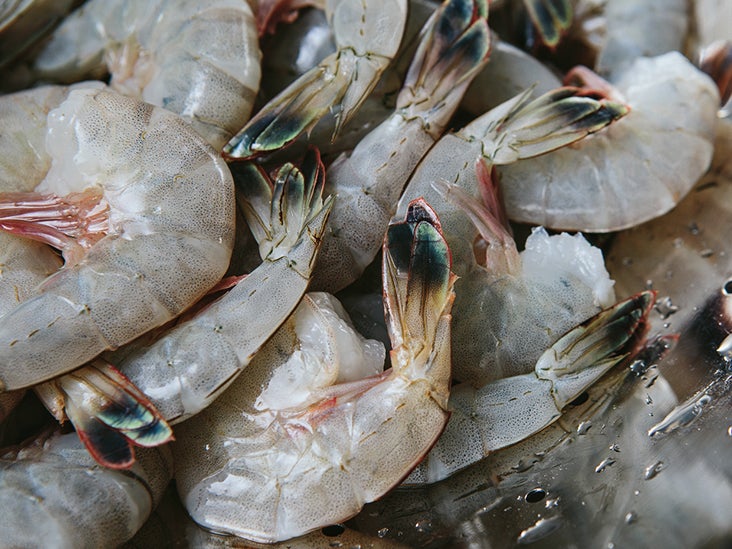
- Protein: Shrimp is an excellent source of high-quality protein. A 3-ounce (85-gram) serving of shrimp provides approximately 18 grams of protein, making it a great option for those looking to meet their protein needs.
- Omega-3 Fatty Acids: Shrimp contains omega-3 fatty acids, particularly EPA (eicosapentaenoic acid) and DHA (docosahexaenoic acid). These fatty acids are known for their potential benefits in promoting heart health, reducing inflammation, and supporting brain function.
- Vitamins and Minerals: Shrimp is rich in various vitamins and minerals. It contains significant amounts of vitamin B12, which is essential for nerve function and the production of red blood cells. Shrimp also provides selenium, a mineral that acts as an antioxidant and supports thyroid function.
- Low in Calories: Shrimp is relatively low in calories, making it a suitable choice for those watching their calorie intake. A 3-ounce serving of shrimp typically contains around 90–100 calories, depending on the cooking method.
- Low in Fat: Shrimp is relatively low in fat, particularly saturated fat. It contains minimal amounts of unhealthy saturated fats and is considered a lean protein source.
- Cholesterol Content: While shrimp does contain cholesterol, current research suggests that dietary cholesterol from foods like shrimp has a minimal impact on blood cholesterol levels for most individuals. The cholesterol in shrimp is balanced by its overall nutritional profile.
- Minerals: Shrimp provides various minerals, including iron, zinc, phosphorus, and copper, which are important for overall health and proper bodily functions.
How many shrimp should you eat a day?

The number of shrimp you should eat can vary depending on several factors, including your dietary needs, overall health, and personal preferences. However, as a general guideline, consuming two to three servings of seafood, including shrimp, per week is recommended for most individuals.
In terms of a specific quantity, a serving of shrimp is typically considered to be about 3 ounces (85 grams). This translates to approximately 4 to 5 large shrimp or 7 to 9 medium-sized shrimp. Keep in mind that these numbers are approximate and can vary based on the size and weight of the shrimp.
It's also important to consider balancing your shrimp consumption with other sources of protein and nutrients in your diet. Incorporating a variety of foods is key to meeting your nutritional needs and maintaining a well-rounded diet.
Cooking and preparation tips
Shrimp can be prepared in various ways, offering a range of flavors and textures. Whether you prefer grilling, sautéing, or baking, shrimp can be a versatile ingredient in numerous dishes. Adding shrimp to salads, pasta, stir-fries, or even tacos can elevate your meals and introduce a delightful seafood twist.
To ensure the best results, it is advisable to cook shrimp until they turn pink and opaque. Overcooking can lead to a rubbery texture, while undercooking may pose food safety risks. Experimenting with different seasonings, spices, and marinades can also enhance the taste of your shrimp dishes.
Shrimp recipes and meal ideas
Looking for inspiration to incorporate shrimp into your meals? Here are a few recipe ideas to get you started:
Shrimp and Crab Thick Noodle Soup

Shrimp and Crab Thick Noodle Soup, also known as "banh canh tom cua," is a delectable Vietnamese dish that captivates the senses. The soup features thick, chewy rice noodles swimming in a savory broth infused with the delightful flavors of fresh shrimp and succulent crab. Each spoonful is a harmonious blend of seafood goodness, creating a comforting and satisfying culinary experience.

Fire up the grill and prepare these mouthwatering grilled garlic shrimp skewers. Marinate the shrimp in a flavorful mixture of garlic, herbs, and a squeeze of lemon juice. Skewer the shrimp and grill them until they are perfectly charred and juicy. Serve them as a delightful appetizer or as a main dish accompanied by a fresh salad or grilled vegetables.


Add some heat to your meal with a spicy shrimp stir-fry. Sauté the shrimp with a medley of colorful vegetables like bell peppers, broccoli, and snap peas. Infuse the stir-fry with flavors of ginger, garlic, and your favorite spices or chili sauce for an extra kick. Serve the dish over steamed rice or noodles for a satisfying and quick weeknight dinner.
FAQs
Can shrimp be a part of a weight loss diet?
Yes, shrimp can be included in a weight loss diet due to its low-calorie content and high protein content. However, portion control and overall calorie intake should be considered.
Are shrimp high in cholesterol?
Shrimp do contain cholesterol, but they are low in saturated fats. The cholesterol content in shrimp should not be a concern for most people, as it does not significantly impact blood cholesterol levels.
Can I eat shrimp if I have a shellfish allergy?
No, individuals with shellfish allergies should avoid shrimp and other shellfish to prevent allergic reactions. It is important to consult with a healthcare professional for personalized advice.
Are there any sustainable alternatives to wild-caught shrimp?
Yes, there are sustainable alternatives to wild-caught shrimp, such as shrimp from responsibly managed aquaculture farms. Look for certifications like the ASC or MSC to ensure sustainable sourcing.
How should I store raw shrimp?
Raw shrimp should be stored in the refrigerator at temperatures below 40°F (4°C). It is advisable to consume or cook them within one to two days of purchase for the best quality and freshness.
Conclusion
Finally, when it comes to the question "How many shrimp do you have to eat?", there is no one-size-fits-all answer. The optimal number of shrimp to consume depends on various factors, including your individual dietary needs, personal health considerations, and overall dietary balance. It's important to listen to your body and make choices that align with your specific requirements.